How to Crowdfund an Event: The Ultimate Guide to Pre-Selling Tickets Risk-Free
Crowdfunding an event is just pre-selling tickets with a deadline and a promise attached.
18 August 2026 · Gigstarters Team
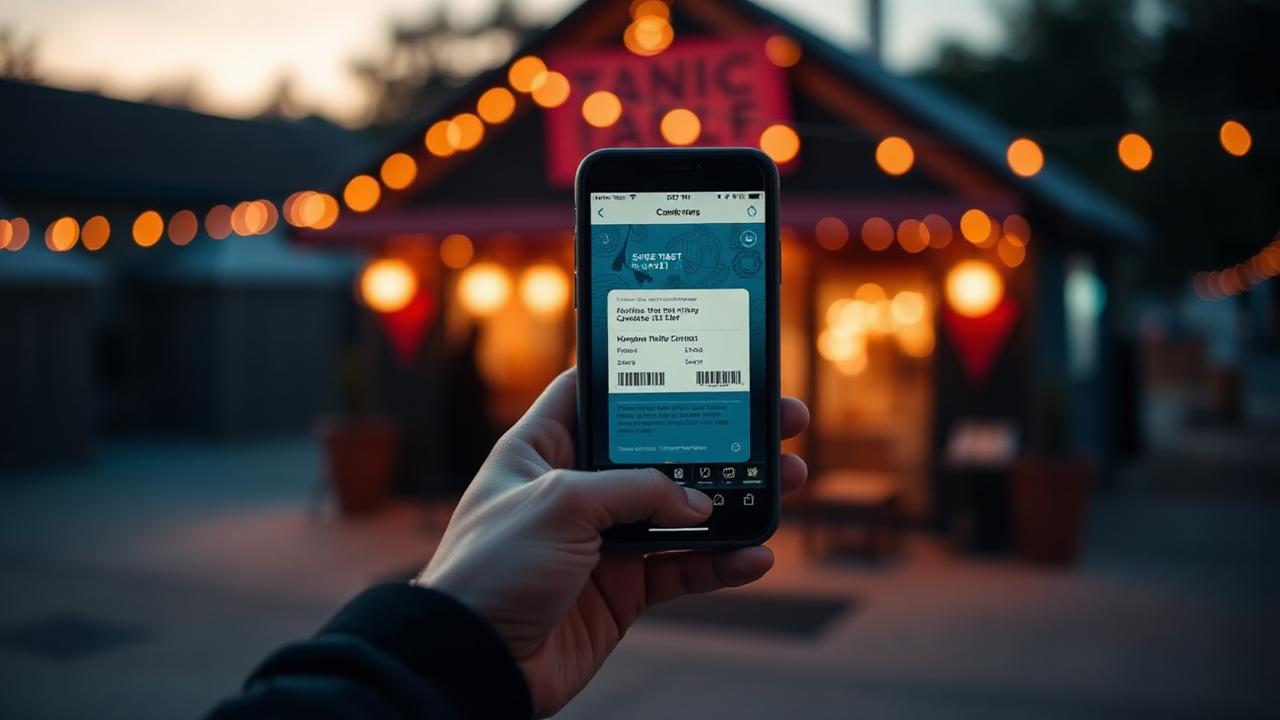
Traditional event finance asks you to spend first and find out later. Crowdfunding flips the order: you publish the idea, supporters pledge, and money only moves when enough people say yes.
Set a goal you can defend line by line
Your goal is not what you hope to raise. It is the number below which the event should not happen.
- Venue hire, deposit and any minimum bar spend.
- Artist or facilitator fees, including travel.
- Production: PA, lighting, seating, printing.
- Platform and payment fees, plus a 10% buffer.
Do this on your event page: A Gigstarters campaign shows a live progress bar and only charges supporters if the goal is met by the deadline. Open a crowdfunding page
Design a tier structure people actually buy
| Tier | Price | What it really does |
|---|---|---|
| Early supporter | $18 | Rewards your list for moving first |
| Standard entry | $25 | Your break-even workhorse tier |
| Supporter + merch | $45 | Lifts average order value without new costs |
Run the launch week properly
- Warm your list — Tell people the date before you tell the internet.
- Launch to your strongest 50 — Momentum in 48 hours decides the rest.
- Publish progress, not reminders — Milestones are news; nagging is not.
- Close with a real deadline — Scarcity works only when it is true.
Tip
If your campaign stalls at 40%, the problem is almost always the size of your warm list — not the copy.
Fund your next event before you commit
Open a crowdfunding page on Gigstarters and secure your production cash up front — supporters are only charged when your goal is met.
START A CAMPAIGN